
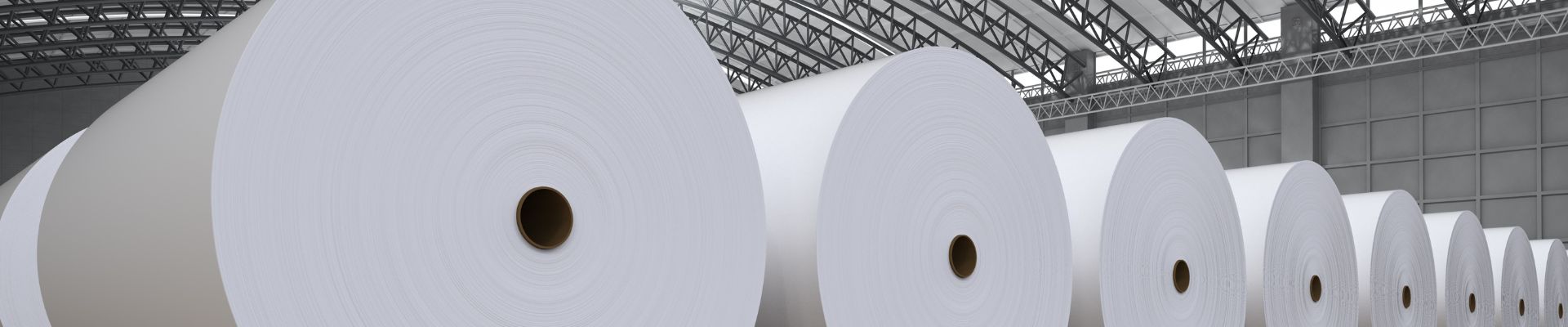
UV DTF film is a key consumable in UV direct-to-film printing for creating durable graphics on hard surfaces. Unlike standard DTF film, which is mainly designed for textile transfers, UV DTF film works with UV-curable inks and a transfer-film system to apply printed designs to products such as glass, acrylic, metal, ceramic, and selected plastics.
For buyers, choosing UV DTF film is about more than price or appearance. Film construction, ink compatibility, release performance, adhesion, and dimensional stability can all affect the final transfer. This guide explains the main types of UV DTF film, where they are used, how to evaluate quality, and what to test before placing a bulk order.
What Is UV DTF Film?
UV DTF film is a specially coated film used to receive UV-curable ink and transfer printed graphics onto hard or relatively smooth surfaces. A typical UV DTF system uses two films: a printable A film and a carrier or transfer B film.
During production, the design is printed onto the coated film and cured with UV light. The printed layer is then laminated with the transfer film. After lamination, the completed transfer can be applied to the target surface without the conventional heat-press process used for textile DTF printing.
The film coating is particularly important because it affects how ink is received, cured, released, and transferred. A film that works well with one printer, ink, or lamination process may not deliver the same results under different conditions. For commercial production, buyers should therefore evaluate the complete printing and transfer system rather than selecting film based on one specification alone. Understanding the core differences between DTF and UV DTF processes can also help clarify system requirements.
How Does UV DTF Film Work?
A UV DTF transfer normally involves three main stages: printing, lamination, and application. The two films perform different functions within this process.
A Film
A film is the printable component of the system. Its coated surface is designed to receive UV-curable ink and maintain the printed image during curing and lamination.
The quality of the coating can influence:
- Ink spreading and image sharpness
- Color density
- White-ink performance
- Fine-detail reproduction
- Ink adhesion during lamination
A suitable A film should provide a consistent printing surface across the roll. Excessive ink spreading, uneven coating, or poor ink adhesion can create problems before the transfer even reaches the application stage.
B Film
B film acts as the carrier or transfer layer after lamination. It works with the printed A film to create a transfer that can be handled and applied to the target substrate.
Its performance is particularly important during peeling and application. If the release characteristics are inconsistent, the design may remain partially attached to the wrong layer, distort during peeling, or leave unwanted residue.
The correct A/B combination should therefore be evaluated as a system. Buyers should not assume that every A film and B film combination will provide the same results.
Printing, Lamination, and Transfer
A simplified UV DTF workflow is:
First, the artwork is printed onto the coated A film and cured. The printed film is then laminated with the B film under controlled conditions. The completed transfer is positioned on the target surface, pressed firmly, and peeled according to the film supplier's recommended procedure. When choosing materials, exploring specialized UV DTF AB film solutions ensures optimal lamination results.
Printer settings, ink, curing intensity, lamination pressure, temperature, speed, and substrate preparation can all influence the final result.
What Are the Main Types of UV DTF Film?
High-quality UV DTF Film is available in different constructions and finishes. The right choice depends on the substrate, artwork, desired appearance, and production requirements.
| Film Type | Typical Application | Main Consideration |
|---|---|---|
| Transparent film | Glass, acrylic, light-colored surfaces | Visual clarity |
| White-based film | Dark or colored surfaces | Opacity and image contrast |
| Gold or silver film | Decorative and premium products | Metallic appearance |
| PET-based film | Commercial production | Dimensional stability |
| Paper-based film | Selected UV DTF applications | Handling and application requirements |
Transparent UV DTF Film
Transparent film is useful when the original color or appearance of the substrate should remain visible around the printed design. It is commonly considered for glass, acrylic, and other relatively smooth surfaces.
For transparent applications, film clarity and a clean transfer are especially important. Haze, residue, or uneven lamination can affect the visual quality of the finished product.
White-Based UV DTF Film
A white-based film can provide stronger visual contrast when designs are transferred onto dark or strongly colored surfaces. Without sufficient opacity, the substrate color may influence the appearance of the printed artwork.
The appropriate white-film construction depends on the printing system and the desired finish, so sample testing is recommended before commercial production.
Gold and Silver UV DTF Film
Gold and silver films are designed for decorative applications where a metallic appearance is required. They can be considered for premium packaging, promotional products, personalized gifts, and other products where visual impact is important.
The key consideration is not simply the metallic effect but whether the film provides consistent color, clean transfer, and reliable adhesion on the intended substrate.
PET and Paper-Based Film
PET and paper-based films can have different handling, dimensional-stability, and production characteristics. PET-based materials are often valued for dimensional stability, while paper-based constructions can offer different handling or cost characteristics depending on the product design.
Rather than choosing one material universally, buyers should compare the film's performance under their actual printer, lamination process, and target application.
Which Surfaces Can UV DTF Film Be Used On?
UV DTF film is mainly used to transfer printed designs onto hard or relatively rigid surfaces. The film itself is only one part of the transfer system, so the final result also depends on the surface condition, coating, shape, and cleanliness of the substrate.
| Surface | Suitability | Key Considerations |
|---|---|---|
| Glass | Excellent | Clean, smooth surfaces generally provide good transfer results |
| Acrylic | Excellent | Check surface finish and adhesion before production |
| Ceramic | Excellent | Suitable for mugs, tiles, decorative items, and similar products |
| Metal | Good | Remove oil, dust, and other contaminants before transfer |
| Plastic | Good | Adhesion can vary between different plastic materials |
| Wood | Moderate | Smooth, sealed surfaces usually perform better |
| Leather | Moderate | Surface texture and flexibility should be tested first |
For B2B production, it is better to test the exact substrate used in the final product rather than assuming that one film will perform identically on every material. A film that works well on glass, for example, may require different transfer conditions or testing on textured plastic.
Surface preparation is an important part of this evaluation. Dust, oil, moisture, fingerprints, and cleaning-agent residues can interfere with contact between the transfer and the substrate. Before applying a sample, clean the surface using a method appropriate for the material and allow it to dry completely.
Buyers should also consider the shape of the finished product. Flat surfaces are generally easier to evaluate than sharply curved, uneven, or heavily textured surfaces. If the intended product has a curved profile, test the transfer on that exact shape to check whether the design can be applied without wrinkles, distortion, or lifting at the edges.
What Makes High-Quality UV DTF Film?
For commercial users, film quality should not be judged only by appearance or price. A film can look clear and smooth before printing but still cause problems during printing, lamination, peeling, or final transfer.
Ink Receptivity
The printable surface needs to receive UV ink evenly and maintain good image definition. Poor ink receptivity may lead to ink spreading, uneven color density, poor detail reproduction, or surface defects.
For detailed logos, small text, and multicolor graphics, stable ink reception is particularly important. Buyers should therefore test the film using the same printer and UV ink combination used in production.
Release Performance
The release layer determines how easily the printed transfer can separate from the carrier film at the appropriate stage.
If release performance is too strong, the printed layer may be difficult to separate. If it is too weak, premature separation can occur during handling or lamination.
Adhesion and Transfer Stability
After the design is transferred, the adhesive layer needs to create sufficient contact with the target surface. Weak adhesion may result in edge lifting, partial transfer, or failure after handling.
The required adhesion can vary according to the substrate. A smooth glass surface, a coated metal component, and a plastic product may behave differently even when the same transfer is used. Testing the actual production material is therefore more reliable than relying on a general adhesion description.
Film Flatness and Dimensional Stability
Flatness is another practical quality indicator. A film that curls, wrinkles, or changes dimension during printing and lamination can create alignment problems and air bubbles.
For roll-to-roll production, consistent winding and stable film dimensions can also help reduce feeding interruptions. Buyers should inspect samples for wrinkles, telescoping, uneven edges, and other visible defects that could affect machine handling.
Coating and Batch Consistency
Consistent coating is essential for commercial production. Even when one roll performs well, significant variation between batches can create different printing, lamination, or transfer results.
A practical supplier evaluation should include more than one sample or production batch when possible. Compare print quality, lamination behavior, peeling, and final adhesion under the same operating conditions. This helps identify whether the material can support repeat orders rather than only a one-time trial.
Common UV DTF Film Problems and Their Causes
Production problems are not always caused by the film itself. Printer settings, ink, lamination pressure, storage conditions, substrate preparation, and application technique can all affect the final result. Identifying the stage at which a defect occurs is the first step toward finding the right solution.
| Problem | Possible Cause | What to Check |
|---|---|---|
| Ink bleeding | Poor ink reception or incompatible settings | Film coating and printer/ink compatibility |
| Bubbles | Air trapped during lamination or transfer | Lamination pressure, speed, and surface cleanliness |
| Edge lifting | Insufficient adhesion or unsuitable substrate | Adhesive performance and substrate condition |
| Difficult peeling | Incorrect release behavior or process conditions | A/B film compatibility and peeling stage |
| Adhesive residue | Excess adhesive or unsuitable transfer conditions | Adhesive layer and application process |
| Wrinkles | Poor film flatness or handling | Storage, roll condition, and lamination |
| Uneven transfer | Inconsistent pressure or surface texture | Application pressure and substrate flatness |
How to Reduce Bubbles and Wrinkles
Bubbles and wrinkles can appear during lamination or when the transfer is applied to the final product. Check whether the films are aligned correctly and whether the lamination equipment is feeding the material evenly. Excessive speed, uneven pressure, dust, and improper film tension may contribute to visible defects.
During application, position the transfer carefully and apply consistent pressure across the design. Avoid rushing the process, especially when working with large graphics or curved products. If defects continue, change one process variable at a time so that the actual cause can be identified.
How to Improve Peeling and Transfer Results
If the design does not release cleanly, first confirm that the A film and B film are compatible and that the lamination conditions follow the supplier's recommendations. Peeling direction, angle, and speed can also affect the result. Use a consistent procedure during testing rather than changing several variables at once.
When edge lifting or partial transfer occurs, inspect the target surface for oil, dust, moisture, or an unsuitable coating. Also check whether the transfer is being pressed evenly and whether the product shape makes full contact difficult.
Keep a Production Troubleshooting Record
For repeat production, record the film batch, printer and ink combination, curing settings, lamination conditions, substrate type, and application results. This information makes it easier to compare successful and unsuccessful runs, communicate with the supplier, and maintain consistent production standards.
How to Choose the Right UV DTF Film
Choosing UV DTF film should start with the finished application rather than the film specification alone. Buyers need to consider the target surface, desired visual effect, printing equipment, transfer performance, and expected production volume. A structured selection process can help narrow down suitable products before requesting samples or quotations.
Step 1: Identify the Substrate
First determine what the transfer will be applied to. Glass, acrylic, ceramic, metal, and plastic may require different adhesion performance. If you produce several types of finished products, list the main substrates and prioritize the materials that account for the largest share of your orders.
Do not rely only on broad material categories. Different plastics, coatings, and surface finishes can behave differently. A sample should be tested on the actual product or a representative piece of the same material.
Step 2: Decide the Required Appearance
The visual effect also influences film selection. Transparent film is suitable when the design needs to integrate with the underlying surface. White-based film can provide a stronger visual base. Gold and silver options are useful for metallic effects.
Consider the background color, graphic complexity, and expected finished appearance. For example, a transparent transfer may be appropriate for a clear glass product, while a design applied to a dark surface may need a more opaque base to maintain contrast.
Step 3: Check Printer and Ink Compatibility
Do not evaluate film independently from the printing system. The printer, UV ink, film coating, and curing conditions work together. Confirm the film's intended use with the supplier and provide details about your equipment and ink where possible.
A compatibility test should examine ink reception, image definition, curing behavior, and whether the printed layer remains stable during lamination. This is particularly important when changing film brands or introducing a new material into an established production line.
Step 4: Evaluate Transfer Performance
A film may print well but still perform poorly during lamination or application. Test the complete process, including printing, curing, lamination, peeling, and final transfer. Pay attention to whether the design releases cleanly, whether small details remain intact, and whether the edges adhere to the substrate.
If the finished product will be handled frequently, include appropriate handling and durability checks in the evaluation. The test conditions should reflect the product's intended use rather than relying on appearance immediately after transfer.
Step 5: Consider Production Volume
For high-volume production, roll stability, batch consistency, delivery reliability, and cost per finished transfer become significant. A film with a lower purchase price may not be economical if it causes frequent machine stops, material waste, or a high rate of rejected transfers.
Compare the usable output from each roll, the amount of material wasted during setup, and the time required for printing and application. These factors provide a more realistic view of total production cost than the unit price alone.
Step 6: Confirm Supplier Support
A reliable supplier should be able to provide product specifications, samples, packaging information, and technical assistance when needed. For customized requirements, confirm whether the supplier can discuss roll dimensions, product construction, packaging, and other order details before production begins.
It is also useful to ask how product consistency is managed between batches and what information is available if a quality issue occurs. Clear communication before ordering can help reduce misunderstandings during repeat purchasing.
How to Test UV DTF Film Before Bulk Ordering
Sampling is one of the most useful ways to reduce risk before committing to a large UV DTF film order. A proper test should reproduce the main conditions of your actual production process, including the printer, ink, lamination equipment, substrate, and application method.
1. Inspect the Film Before Printing
Check the sample for visible coating defects, scratches, wrinkles, contamination, uneven edges, and irregular winding. Confirm the roll width, length, and other supplied specifications against the quotation or product information. Store the sample under the recommended conditions before testing.
2. Run a Printing Test
Print a representative design that includes solid colors, fine lines, small text, and areas with different ink coverage. Evaluate image sharpness, color consistency, ink reception, and surface uniformity. A test design that resembles your regular production artwork will provide more useful information than a simple color block.
3. Run a Lamination Test
Laminate the printed A film with the intended B film using the normal production settings. Check whether the films feed smoothly and whether bubbles, wrinkles, or uneven bonding appear. Record the equipment settings so that the test can be repeated under the same conditions.
4. Check Peeling and Transfer
Apply the completed transfer to the target product and follow the recommended peeling procedure. Check whether the design releases cleanly, whether small details remain in place, and whether any adhesive residue or partial transfer occurs. Repeat the test on several samples to avoid relying on a single result.
5. Test Different Substrates
If your business decorates more than one type of product, test each important substrate separately. Glass, acrylic, ceramic, metal, and plastic may have different surface characteristics. Record the results for each material so that the film's suitability is clear for every application.
6. Compare Results and Keep a Reference Sample
When comparing suppliers, use the same artwork, equipment, settings, and substrate wherever possible. Record the supplier, product specification, batch information, and test results. Keeping an approved reference sample can also help you compare future deliveries and identify changes in performance.
Before bulk ordering, confirm the final product specification, roll dimensions, packaging, order quantity, lead time, and any agreed quality requirements in writing. This gives both parties a clear reference for the commercial order.
How to Choose a UV DTF Film Supplier
Choosing a UV DTF film supplier involves more than comparing quotations. Buyers should evaluate whether the supplier can provide suitable products, maintain consistent quality, communicate technical requirements clearly, and support repeat orders. A supplier that understands the complete UV DTF workflow can make product selection and troubleshooting more efficient.
Manufacturing Capability and Product Range
Start by checking the supplier's manufacturing background and available product range. Determine whether it offers the film types you need, such as transparent, white-based, gold, silver, or other specified constructions. If your business has multiple applications, a supplier with a suitable range may simplify sourcing and product management.
Quality Control and Batch Consistency
Ask how the supplier controls coating uniformity, film dimensions, roll condition, and product packaging. Request relevant specifications and clarify how product batches are identified. For repeat orders, consistency is especially important because changes in film behavior may require adjustments to printer or lamination settings.
Samples and Technical Support
A sample gives buyers an opportunity to verify compatibility before committing to a large order. Ask whether the supplier can provide samples for your printer, ink system, and intended substrate. It is also useful to confirm whether technical staff can help clarify product specifications and discuss possible causes of printing or transfer problems.
Customization and Packaging
Different buyers may require different roll widths, lengths, packaging formats, or product specifications. If customization is important, confirm the available options, minimum order requirements, and whether the final details can be documented before production. Appropriate packaging also helps protect the film during storage and transportation.
MOQ, Lead Time, and Delivery Reliability
The minimum order quantity and delivery schedule should match your purchasing plan. Ask for the expected production lead time, shipping arrangements, and how repeat orders are handled. If you maintain regular production, a supplier's ability to support predictable replenishment may be just as important as the initial quotation.
For a broader evaluation of overseas sourcing, you can review our insights on top UV DTF Film Manufacturers in China.
Questions to Ask Before Placing an Order
- Which UV DTF film types and specifications are available?
- Is the film compatible with my printer and UV ink system?
- Can I test samples on my actual substrate?
- What roll widths, lengths, and packaging options are available?
- What are the MOQ and estimated lead time?
- How is batch consistency monitored?
- What technical support is available if transfer problems occur?
Comparing suppliers against the same requirements makes it easier to identify the best fit for your production needs. Keep quotations, specifications, sample results, and delivery terms together so that purchasing decisions are based on comparable information.
Why Choose Wellye for UV DTF Film?
Wellye Paper Industry provides several UV DTF film options for different transfer requirements, including transparent UV DTF transfer film, white paper-based UV DTF transfer AB film, and gold and silver UV DTF transfer film.
Its product offering allows buyers to select film according to the required appearance and application rather than relying on a single standard product. As a manufacturer with its own production capabilities, Wellye also supports B2B requirements such as samples, customization, technical assistance, and bulk supply.
For distributors, printing businesses, and product manufacturers, selecting a supplier involves matching product specifications with actual production requirements. Before requesting a quotation, buyers can prepare information such as the intended film type, printer and ink system, target substrate, preferred roll dimensions, and estimated order quantity. These details help make product recommendations and sample evaluations more relevant.
If you are comparing different UV DTF film options, you can review Wellye's product range and discuss your application requirements with its team. Confirm the specifications and sample performance before moving forward with a bulk purchase.
Conclusion
Selecting the right UV DTF film should be done according to the substrate, visual effect, printing system, transfer performance, and production volume. Price is only one part of the decision.
For B2B buyers, the safest approach is to test representative samples, evaluate the complete printing and transfer process, and confirm batch consistency before placing a large order. A supplier that can provide stable quality, technical support, customization, and reliable delivery will offer greater long-term value than a supplier competing only on unit price.
Before confirming an order, make sure that the film specification, A/B film combination, roll dimensions, packaging, quantity, and delivery schedule meet your requirements. Keeping a record of sample results and approved product details can also make future replenishment easier and help maintain consistent output.
